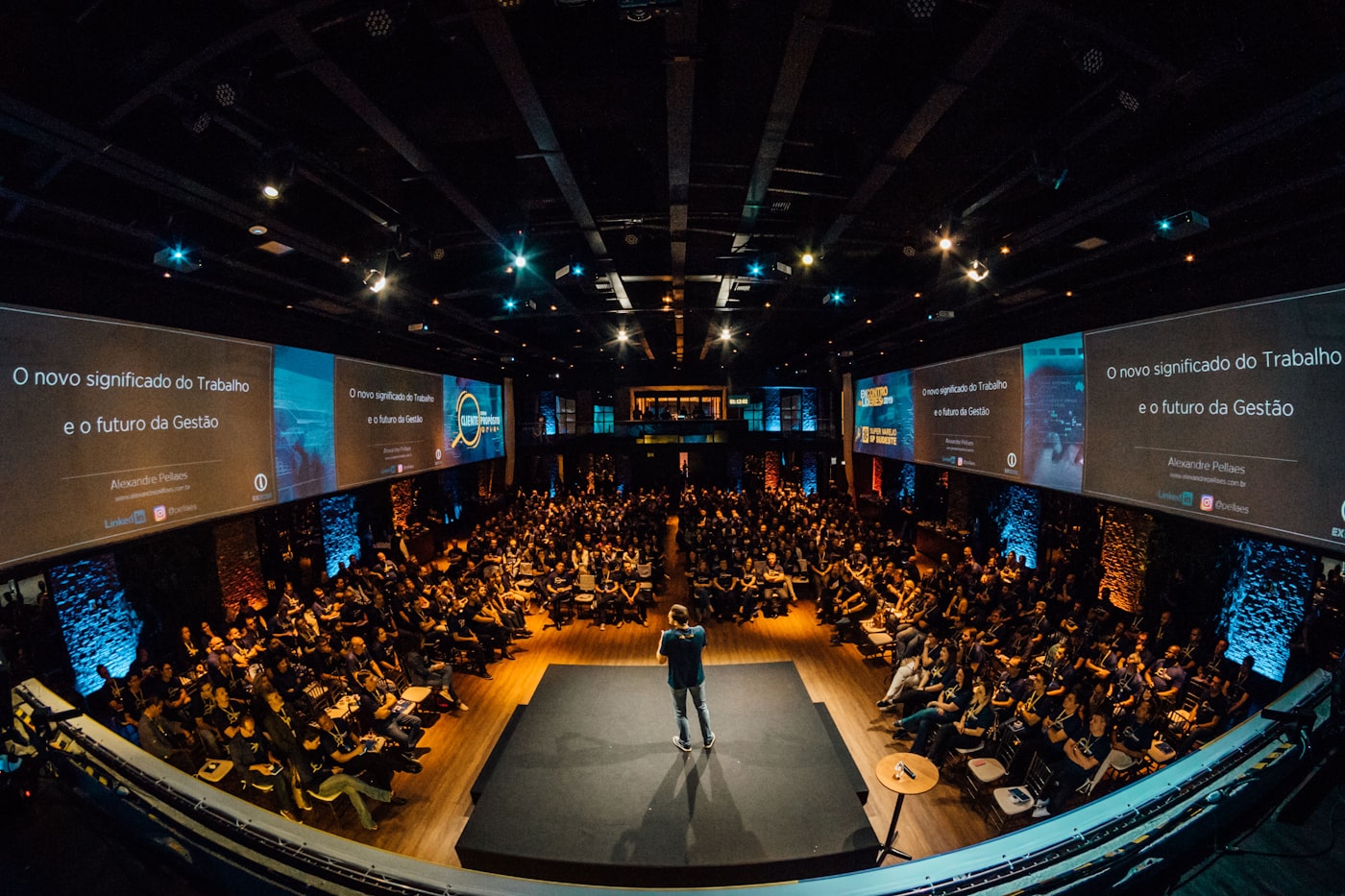
The Best Content to Capture at Corporate Conferences
Not all conference content is equally valuable. Here's the priority framework for what to capture, when to capture it, and how to turn it into assets that actually move your brand forward.
The Opportunity Cost of Undirected Conference Coverage
Most conference media coverage is reactive: the camera follows whoever is speaking, captures whoever is in the room, and delivers whatever footage was collected into a chronological edit. The result is technically complete but strategically useless.
Professional conference media starts with a content priority list — a pre-determined hierarchy of what must be captured, what should be captured, and what would be nice to have. That hierarchy determines how the crew deploys its attention across every hour of a conference day.
The best conference content isn't discovered on the day. It's planned for before the day begins.
Tier 1: Must-Capture Content (No Exceptions)
- Keynote presentations — the centerpiece content that defines the conference's intellectual value
- All-hands or general session moments — full-room energy captures that demonstrate scale
- Official announcements, reveals, or launches — the news-making moments that drive post-event coverage
- Award ceremonies or recognition moments — high-emotion, highly shareable content
- Featured speaker or panelist sessions with recognized industry names
These are non-negotiable. Any conference media deployment that misses tier-1 content has failed its primary objective.
Tier 2: Should-Capture Content (High Value)
- Structured interviews with speakers, executives, and notable attendees
- Breakout session highlights — particularly from sessions with standing-room-only attendance
- Networking moments that demonstrate community and industry relevance
- Sponsor activation footage for post-event partner deliverables
- Audience reactions during high-impact moments — genuine, unscripted emotional response
- Panel discussions and Q&A exchanges — the dialogue format often produces the most quotable content
Tier 3: Nice-to-Have Content (Adds Depth)
- Pre-conference setup and venue reveal footage — 'behind the curtain' content that humanizes your team
- Attendee registration and arrival footage — conveys scale and excitement
- Branding and visual identity captures — conference logo, signage, design elements
- Informal attendee conversation moments — organic community building content
- Speaker backstage or preparation moments — humanizes the conference's thought leaders
- Event staff and volunteer recognition moments
The Interview Station: Your Highest-ROI Conference Investment
If there's one thing that consistently produces the highest content value at conferences, it's a dedicated interview station.
A simple but professional setup — a branded backdrop, ring light, good audio, and a camera — positioned in a high-traffic area of the conference creates an invitation for structured, intentional conversations throughout the day.
When you capture 10–15 three-to-five minute interviews with speakers, sponsors, attendees, and executives, you produce:
- Dozens of individual soundbite clips from a single day
- Testimonial content for every use case in your marketing funnel
- Thought leadership content that positions your executives alongside industry voices
- Sponsor-specific content packages that satisfy sponsor reporting requirements
- Recruiting content that demonstrates leadership depth and company culture
→The interview station is the highest-leverage content production investment at any conference. If you're not running one, you're leaving your most valuable content uncaptured.
The Content Prioritization Framework in Practice
Here's how to implement this hierarchy in practice:
- 1.Build the content priority list three weeks before the conference from your agenda
- 2.Share the list with your media team so they can plan crew positions and logistics
- 3.Brief every speaker and executive being interviewed so they're prepared
- 4.Build buffer time in the agenda for tier-2 and tier-3 captures
- 5.Assign a producer or content coordinator to manage the priority list on the day
- 6.Review footage selects each evening during multi-day events to identify gaps
What This Looks Like in Practice: A Day in the Life
A professionally covered conference day produces content across every category simultaneously:
- Operator 1: Dedicated to keynote stage coverage with wide and tight shots
- Operator 2: Crowd, atmosphere, and b-roll capture throughout all sessions
- Operator 3: Running the interview station and managing on-site testimonial captures
- Producer: Managing the content priority list, briefing interviewees, and tracking coverage gaps
By the end of the day, the team has captured material for every content type in the hierarchy — and post-production can begin immediately.
Ready to Get Started?
Want a conference media team that captures the right content — not just any content?
Risr Media deploys prioritized conference media systems for modern companies. We capture what matters and deliver content that works.
Plan Your Conference Coverage