How Businesses Use Event Content for LinkedIn and Recruiting
Your events are generating the most authentic content your company can produce — but most companies aren't using it strategically. Here's how modern brands are turning event day into LinkedIn and recruiting content that actually works.
LinkedIn Has Changed What Corporate Events Mean for Brands
Five years ago, LinkedIn was primarily a résumé platform. Today it's where enterprise purchasing decisions begin, where top talent evaluates potential employers, and where B2B brand positioning is built or eroded in real time.
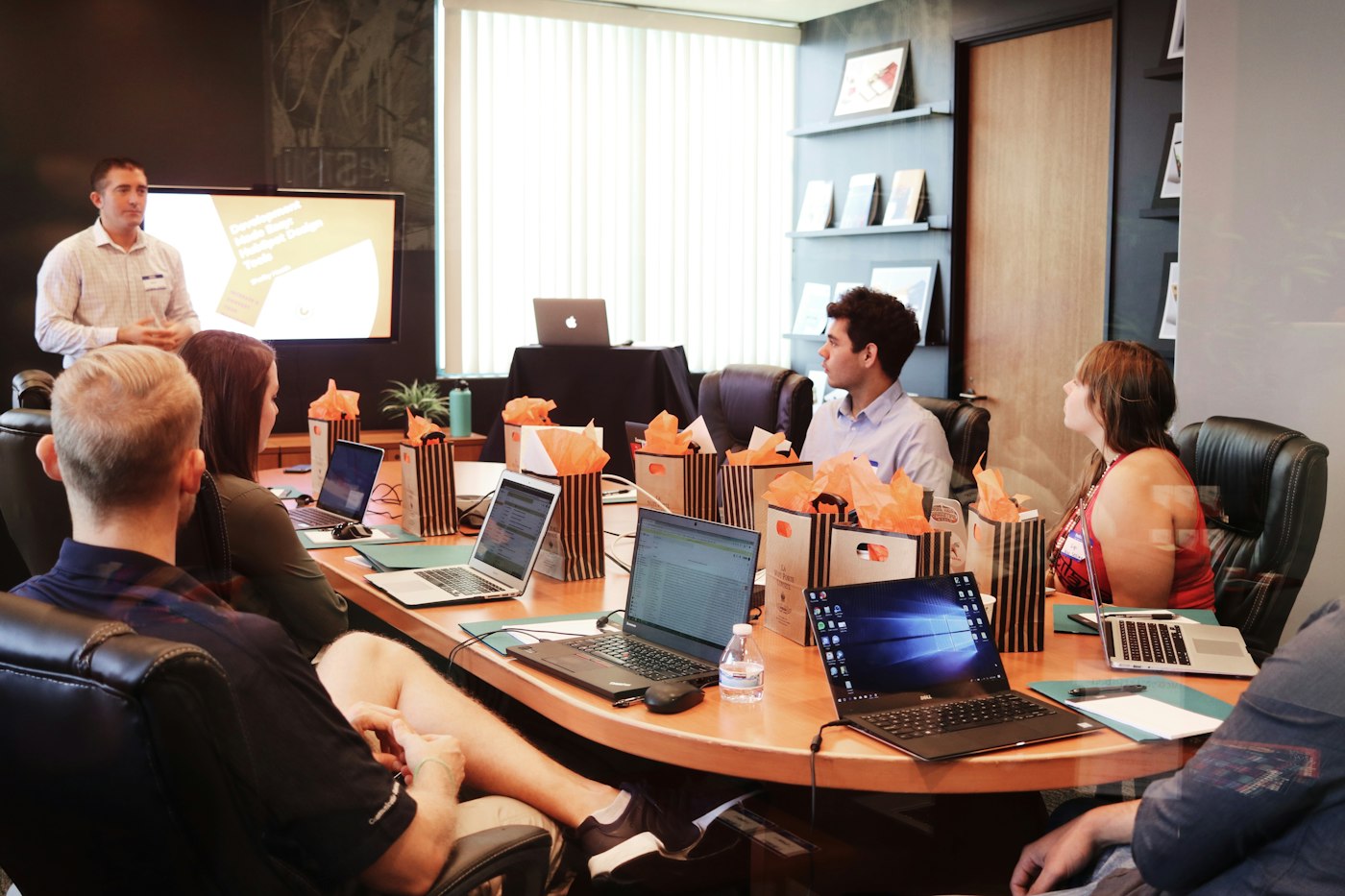
Corporate events create the exact type of content that performs on LinkedIn: real moments, real people, real expertise, real culture.
LinkedIn rewards authenticity. Events produce it. The connection is obvious — but most companies still miss it.
Why Event Content Outperforms Studio Content on LinkedIn
There's a fundamental difference between polished studio content and genuine event content in how audiences respond to it on LinkedIn.
- Event content feels real — it has ambient energy, real reactions, and visible people who aren't performing for a camera
- Events demonstrate scale — a full room signals market validation and brand credibility
- Speaker content shows expertise in action — not just talking heads, but ideas being actively presented and received
- Networking and culture moments create emotional resonance — people see themselves in the room
- Leadership presence at events signals confidence and authority in a way studio interviews rarely capture
The Six Types of Event Content That Perform on LinkedIn
1. Speaker and Panel Highlight Clips
A 60–90 second clip of an insightful point made during a keynote or panel discussion is the highest-performing LinkedIn content format for B2B brands. It positions your company as a thought leadership stage and builds the personal brand of your executives simultaneously.
2. Energy and Atmosphere Clips
A quick 30-second cut of the room's energy, the crowd arriving, the networking happening — this is social proof at scale. It makes your target audience want to be in that room at the next event.
3. Attendee Reaction and Testimonial Clips
Brief, unscripted reactions from attendees are highly credible because they feel genuine. "I wasn't expecting that keynote to be so on-point" is worth more than any marketing copy.
4. Executive Soundbites
Leadership visibility on LinkedIn drives direct business outcomes. Short executive video clips generate more engagement, more connection requests, and more inbound conversations than any other format executives can use.
5. Behind-the-Scenes Culture Content
The moments before the event starts, team preparation, casual connection during breaks — this is the employer branding gold that recruiting teams desperately need. Authentic culture content attracts talent at a cost per acquisition that no job board can compete with.
6. Event Recap Videos
The primary recap video, shared as a LinkedIn video post or article, serves as the definitive record of your event's brand presence. It gets shared by attendees, speakers, and sponsors — amplifying your reach far beyond your direct following.
The Recruiting Use Case
Top candidates research companies differently than they did a decade ago. They look beyond the careers page. They watch company culture videos. They observe how leadership behaves. They evaluate whether the company looks like a place where ambitious people thrive.
Event content answers every one of these research signals:
- Culture clips demonstrate what working there actually looks like
- Leadership speeches show how executives think and communicate
- Attendee reactions demonstrate how people feel about the organization
- The quality of the event itself signals the company's investment in its people
- Professional media production signals a company that takes quality seriously
→Top candidates self-select based on what they see before they apply. Your event content is your first interview with them.
Building a LinkedIn Event Content Calendar
Here's how a sophisticated marketing team uses event content across a 4-week post-event LinkedIn deployment:
- 1.Days 1–3: Behind-the-scenes and atmosphere clips (maximize post-event energy)
- 2.Days 4–7: Speaker highlight clips (thought leadership positioning)
- 3.Days 7–10: Full event recap video published (primary brand content drop)
- 4.Days 10–14: Attendee reaction and testimonial clips (social proof)
- 5.Days 14–21: Executive soundbites and leadership content (authority building)
- 6.Days 21–28: Outcome or results content (ROI proof and next-step conversion)
- 7.Days 28–35: Next event or initiative announcement (capitalize on built audience attention)
What This Requires From Your Event Media Partner
Executing this strategy requires working with an event media partner who understands LinkedIn's content ecosystem — not just event production. They need to deliver:
- Vertical and square format clips (not just widescreen)
- Clips with captions (85% of LinkedIn video is watched without sound)
- Social-ready delivery within 48–72 hours of the event
- Platform-specific optimization for each clip's intended use
- A content deployment plan, not just a file delivery
Ready to Get Started?
Want event content that actually builds your brand on LinkedIn?
Risr Media creates platform-optimized event content that modern brands deploy for recruiting, thought leadership, and pipeline building.
Build Your LinkedIn Event Strategy